
The Republican’s harmful megabill, signed into law this past summer, makes significant cuts to health care, nutrition assistance, and other programs that help families meet basic needs. The legislation includes some of the largest proposed cuts to Medicaid and the Supplemental Nutrition Assistance Program (SNAP) in history.
These changes would reshape health care and nutrition assistance across Pennsylvania. An estimated 450,000 residents could lose health coverage due to cuts and the expiration of enhanced ACA premium tax credits. Another 340,000 people are expected to lose Medicaid coverage. About 143,000 residents may lose all or part of their SNAP benefits. The bill would also shift costs to the state, with Pennsylvania potentially responsible for up to $636 million per year in new SNAP expenses tied to federal cost-sharing requirements.
Sara Stone, a 34-year-old Pennsylvania mother of three, knows exactly where the cuts will hit her family. Relying on $200 a month in SNAP benefits while working part-time as her severely autistic son’s home health aide, Stone has already mapped out which bills won’t get paid so she can keep food on the table. The family has started rationing snacks, stocking up on ramen noodles and canned soup, and visiting local food banks—though those options don’t work for her son, who requires specific foods. As Stone prepares to start nursing school in January, she’s bracing for an uncertain future. Learn more about how Pennsylvania families are navigating these challenges.
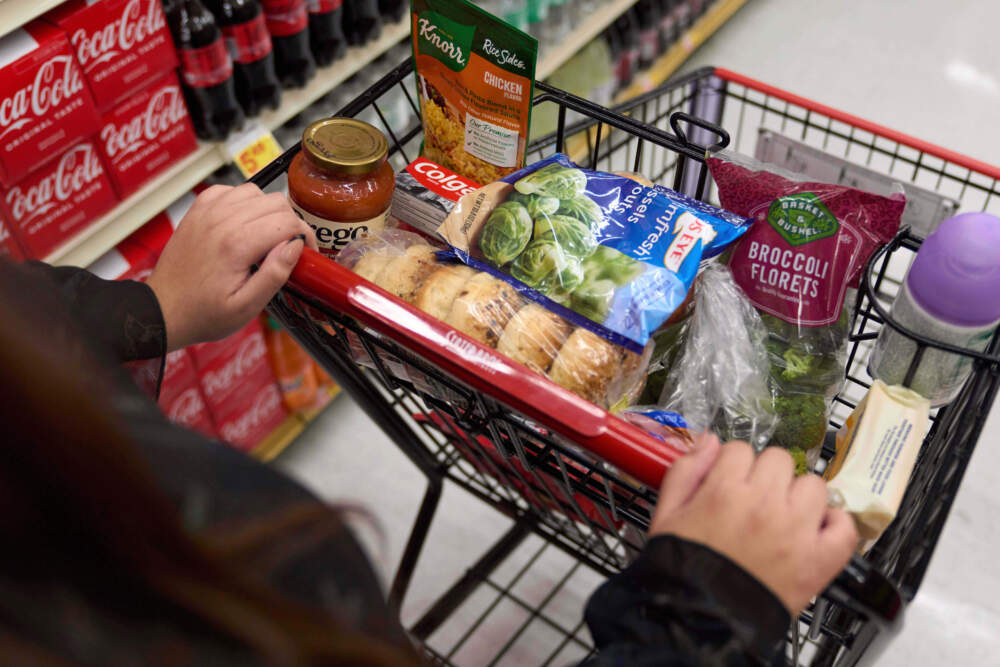
“We have to figure out where we’re pulling money from to cover the $200 that we do get a month because there’s just no extra funding,” said Stone. “So, we’re going through what bill is not getting paid for November so we can put food on the table.”
The bill’s provisions would affect working families like the Stones who rely on the ACA marketplace, Medicaid recipients who depend on stable coverage, and households that use SNAP benefits to meet basic needs. These policy changes would reach an estimated 790,000 Pennsylvania residents losing health coverage and 143,000 losing nutrition assistance, affecting household budgets, access to medical care, and family stability across the state.
New national data from the Center on Budget and Policy Priorities’ SNAP Tracker confirms that the harm to Pennsylvania residents is part of a broader, accelerating trend. Nationwide, SNAP participation fell by 2.5 million people — a 6 percent drop — between the megabill’s July 2025 enactment and December 2025, even as unemployment held largely steady, meaning reduced need cannot explain the decline. In Pennsylvania, SNAP participation changed by -10%, from 1,956,135 enrolled in July 2025 to 1,765,220 in February 2026.
Put simply, the bill reduces health care and food assistance while providing tax breaks to higher-income households. Additionally, the House Republicans bills propose further cuts, including reductions to housing assistance funding that could affect families’ ability to maintain stable housing. We urge Members of Congress to protect the millions who rely on these essential services by extending enhanced premium tax credits to prevent over 20 million Americans with Affordable Care Act health plans from seeing their premium costs skyrocket and opposing funding bills that further cut basic needs programs.
Pennsylvania Taxpayers Could Be on the Hook for Hundreds of Millions of Dollars to Fund SNAP Benefits to Help Pay for Trump’s Tax Cuts for the Wealthy
Pennsylvania Taxpayers Could Be on the Hook for Hundreds of Millions of Dollars to Fund SNAP Benefits to Help Pay for Trump’s Tax Cuts for the Wealthy The federal government in late June released state-by-state data on payment errors in the Supplemental Nutrition Assistance Program (SNAP). Under new rules passed in President Trump’s ‘big beautiful bill’ last year, the report suggests…
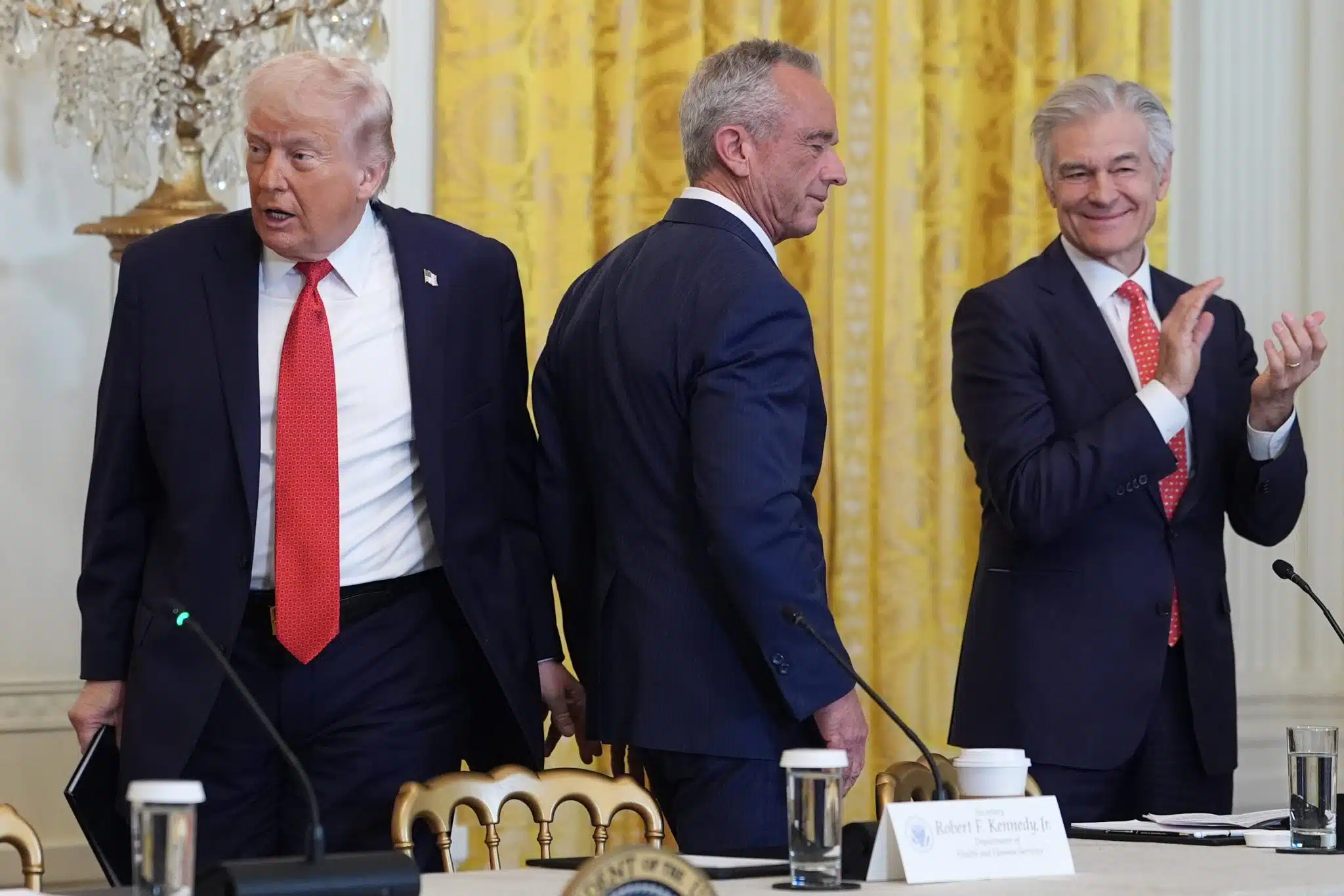
Thanks to Republican Medicaid and ACA Cuts, Pennsylvanians Find Themselves in a Health Care Crisis
Following Republicans terminating Affordable Care Act subsidies and President Trump’s One Big Beautiful Bill Act which limits state funding for Medicaid and tightened restrictions to enrollee eligibility, experts say Pennsylvanians are caught up in a national health care crisis – marked by an unsustainable increase in insurance costs, a rising rate of uninsured citizens, and expanding medical debt. And local residents agree.
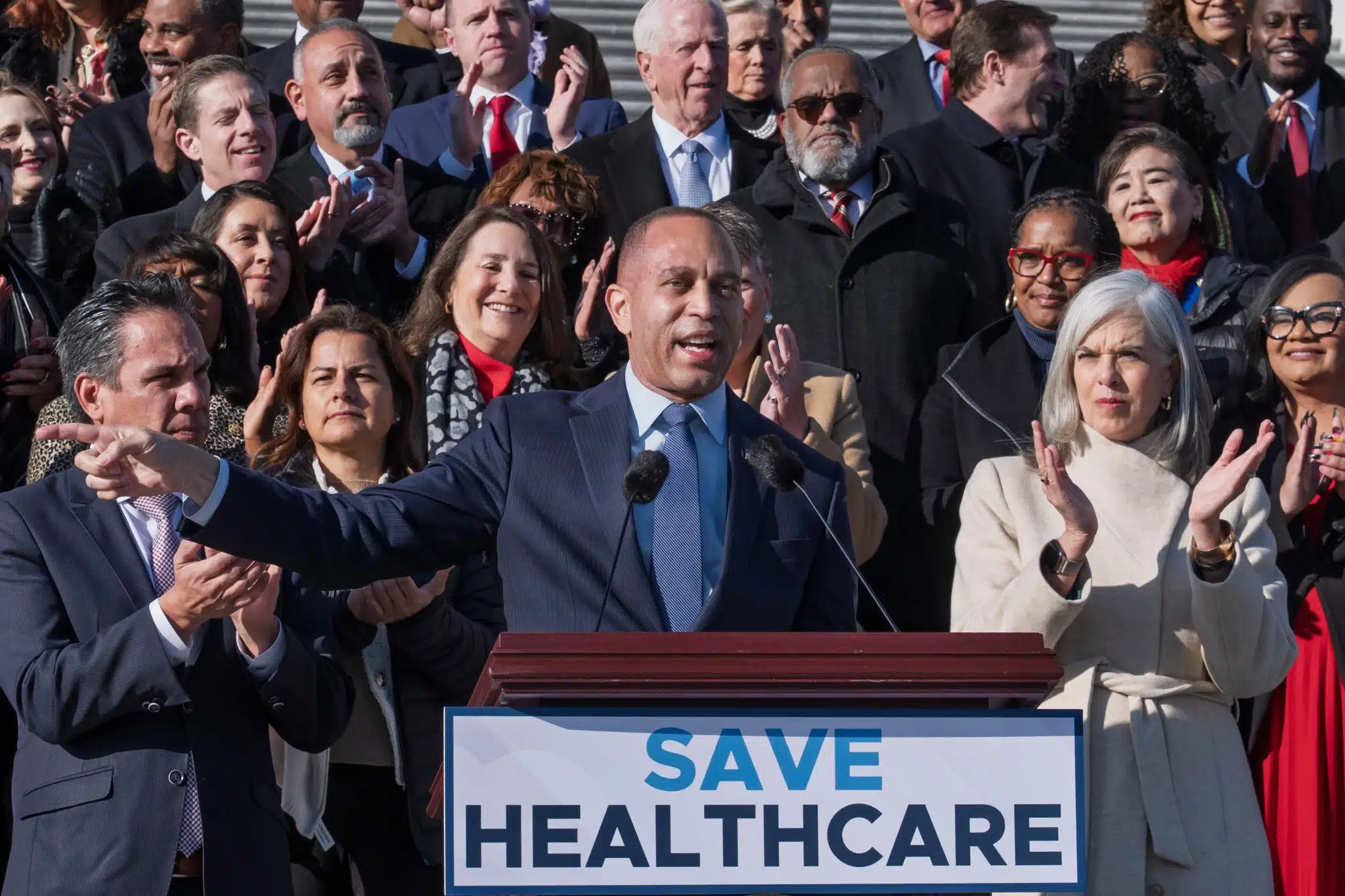
Rep. Brian Fitzpatrick Joins 16 Other Republicans to Help Democrats Pass ACA Subsidies Extension
On January 8th, 17 Republican members of the House of Representatives broke party lines and voted with all Democrats on a plan to extend the Affordable Care Act subsidies for three years. The vote of 230-196 signaled a recognition by Republicans that making health care more expensive and less accessible makes them even more vulnerable in the 2026 midterm elections.
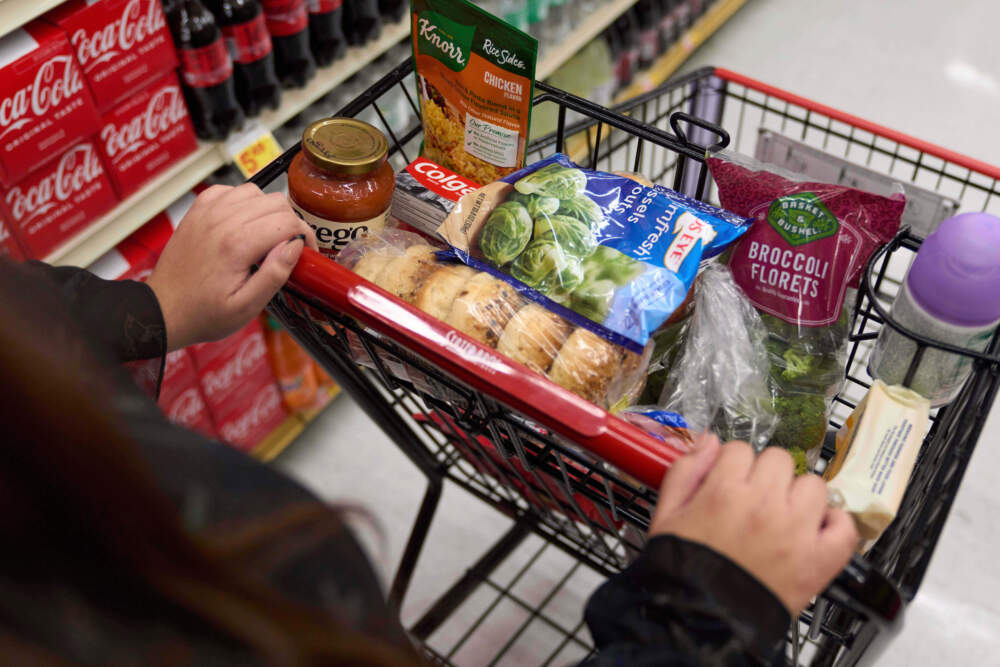
SNAP recipients say they’re left with tough choices as shutdown threatens food aid
As the government shutdown continues, the Trump Administration says it will soon pause payments to people on SNAP, the Supplemental Nutrition Assistance Program that helps more than 40 million people pay for groceries. Sara Stone answers six questions about what the loss of SNAP benefits could mean for her family.
Continue Reading SNAP recipients say they’re left with tough choices as shutdown threatens food aid
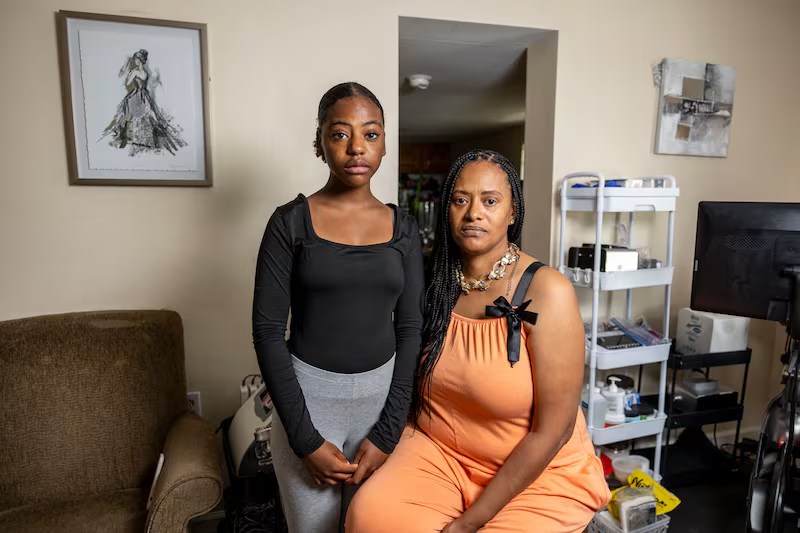
The ‘big, beautiful bill’ is poised to cut Medicaid. Here’s what’s at stake for five Philly-area families.
The ‘big, beautiful bill’ is poised to cut Medicaid. Here’s what’s at stake for five Philly-area families. An airport cook in South Philadelphia worries about who will make sure his mother in chronic pain doesn’t fall and hurt herself while he’s at work. A nurse in Telford fears her daughter could become suicidal again if…

Doylestown Resident’s Future Uncertain Due to Proposed Medicaid Cuts Supported by Congressman Brian Fitzpatrick
Doylestown Resident’s Future Uncertain Due to Proposed Medicaid Cuts Supported by Congressman Brian Fitzpatrick “People will die,” warns Melissa Rinker, who has over 20 chronic illnesses and relies 100 percent on Medicaid for medication and monthly doctor’s visits. In the face of drastic Medicaid cuts, Melissa Rinker’s future remains precarious. Rinker, a 42 year-old from…