- ‘My Shelves Are Very Empty’: How a Year of SNAP Cuts Is Pressuring the Food System
‘My Shelves Are Very Empty’: How a Year of SNAP Cuts Is Pressuring the Food System Two and a half years ago, Helen Swire Comer quit her job as a bank manager to take care of her parents full-time. She’d worked since she was 15 years old and planned to continue working into her 70s. But her parents required around-the-clock care, and it took her a year into caring for them before she was able to sleep through the night, making other employment nearly impossible. She came to rely on a little under $400 a month through the Supplemental Nutrition Assistance
- Pennsylvania Taxpayers Could Be on the Hook for Hundreds of Millions of Dollars to Fund SNAP Benefits to Help Pay for Trump’s Tax Cuts for the Wealthy
Pennsylvania Taxpayers Could Be on the Hook for Hundreds of Millions of Dollars to Fund SNAP Benefits to Help Pay for Trump’s Tax Cuts for the Wealthy The federal government in late June released state-by-state data on payment errors in the Supplemental Nutrition Assistance Program (SNAP). Under new rules passed in President Trump’s ‘big beautiful bill’ last year, the report suggests major consequences for Pennsylvania, its taxpayers and SNAP beneficiaries starting next year. “When the cost-sharing requirement for SNAP benefit costs begins on October 1, 2027, the share of benefits that each state will be required to pay is based on the state’s SNAP ‘error rate’
- How SNAP cuts are impacting West Virginians
How SNAP cuts are impacting West Virginians CLARKSBURG, W.Va. (WBOY) — A Lincoln County woman is telling her story after she says she lost her SNAP benefits during a time when she needed them the most. In March 2023, Helen Comer quit her job managing a bank to become her elderly parents’ full-time caregiver. They both passed away a couple of years later and just five months apart. Comer said she wants to share her story, decrease the stigma around receiving government assistance and show others that you can’t fit every SNAP recipient into a box.
- ICYMI: TRUMP’S STATE OF THE UNION CLAIMS CLASH WITH REALITY FOR MILLIONS OF AMERICANS
ICYMI: TRUMP’S STATE OF THE UNION CLAIMS CLASH WITH REALITY FOR MILLIONS OF AMERICANS In his State of the Union address last night, President Trump painted a rosy picture of the American economy — but fact-checkers, budget analysts, and most importantly, the American people, say the full story looks very different for working families. ON SNAP/FOOD ASSISTANCE: CLAIM: Trump took credit for taking Americans off of food assistance, saying: “In one year, we have lifted 2.4 million Americans, a record, off of food stamps.” REALITY: While the number of people receiving SNAP benefits did decrease by 2.6 million from November
- Hart & PBN Final Polling Memo
TO: Interested Parties FROM: Hart Research DATE: April 6, 2026 RE: Voter Response to Claims of Fraud in Basic Needs Programs Hart Research recently conducted a national survey of voters for the Partnership for Basic Needs to understand how Americans feel about Medicaid, SNAP, childcare, and other federal basic needs programs and to measure the impact of current fraud claims by the Trump Administration on public opinion. The survey assesses voter response to recent administration efforts to freeze funding for programs in some Democratic-led states. This memorandum highlights the key findings from this research. 1) Basic needs programs continue to
- While Mainers still reeling from health insurance hikes, insurers propose more
While Mainers still reeling from health insurance hikes, insurers propose more Kennebunkport resident Kristin Fuhrmann-Simmons saw her family’s health insurance costs increase ten-fold after Congress last year failed to extend pandemic-era tax credits for plans purchased on the marketplace. Next year, she’s facing another potential 20% increase, this time due to a proposed hike by her insurance provider. “I didn’t know that the cost of care could get any worse,” Fuhrmann-Simmons said. “I had no idea that they were going to say, ‘Now we need to increase it again.’” “My God,” she added, “this has been difficult this year. What’s it going to
- What the Public Really Thinks About Fraud Claims and Basic Needs Programs
What the Public Really Thinks About Fraud Claims and Basic Needs Programs Some policymakers have made fraud claims central to its push to cut federal funding for basic needs programs. But what do voters actually think? Hart Research conducted a national survey of 1,503 registered voters in March 2026 for the Partnership for Basic Needs, and the findings are clear: support for Medicaid, SNAP, childcare, housing, and other programs remains strong and unmoved even after a year of exaggerated attacks by the Trump administration. Voters take fraud seriously — but a large margin (49 percent vs. 38 percent) disapproves of
- Nebraska DHHS data shows 11% drop in SNAP recipients after federal legislation limited participation
Nebraska DHHS data shows 11% drop in SNAP recipients after federal legislation limited participation Nebraska household participation in the Supplemental Nutrition Assistance Program, or SNAP, dropped about 11% between April 2025 and April 2026, according to Nebraska Department of Health and Human Services data. Food access advocates say the decline reflects policy changes rather than reduced need. About 7,800 households – or 18,000 individuals – stopped participating over the past year. As new federal legislation went into effect in October and recertification for SNAP benefits was conducted, the number of participants steadily dropped.
- Mother Jones – The ACA Affordability Crisis Congress Won’t Fix
Mother Jones – The ACA Affordability Crisis Congress Won’t Fix Pennsylvania bike shop owner John Ronca has been buying health insurance through the Affordable Care Act marketplace for over a decade. Last year, with enhanced ACA tax credits enacted under the Biden administration, the premiums for his gold plan—the second-highest tier, which includes lower deductibles and often more flexibility in seeing specialists—tripled. Ronca decided to go for a bronze plan with a higher deductible to make sure he, his wife, and his young daughter were still insured. Now he’s putting off surgery for carpal tunnel syndrome because he can’t afford to pay
- NC residents to go hungry, counties to pay more for SNAP under federal changes
NC residents to go hungry, counties to pay more for SNAP under federal changes Massive changes to the food benefits program called SNAP have forced more people who already struggle to maintain stable lives to report work hours if they need federal support to eat. In North Carolina, SNAP enrollment declined by about 2% between Dec. 1, when the new work requirements took effect, and March. Former foster youth, some people who are homeless and some military veterans must show they are working, volunteering or attending training programs for at least 80 hours a month to receive food benefits under the
- What SNAP ‘reform’ really means to me and my children | Opinion
“$187 billion in cuts don’t produce healthier diets. They produce emptier grocery carts, impossible math at the checkout line and parents who skip meals so their kids can eat.”
- Trump says millions are ‘lifted’ off SNAP. A Charlotte nonprofit says hunger hasn’t gone away in NC
Trump says millions are ‘lifted’ off SNAP. A Charlotte nonprofit says hunger hasn’t gone away in NC Boxes and tractor trailers loaded with donated food move quickly through volunteers’ hands inside a Charlotte warehouse where frozen meat, fresh produce, and cartons of eggs are distributed when they’re available. This is where families come when groceries run out—sooner than later. So when President Donald Trump said during his State of the Union address that his administration had “lifted 2.4 million Americans—a record—off of food stamps” in one year, the comment landed differently here. “I would maybe push back on the word lifted,” said
- How state lawmakers are trying fill gaps left by federal changes to food assistance
Due to the Trump administration’s changes to the Supplemental Nutrition Assistance Program, thousands of Mainers like McBlais are seeing disruptions in their benefits, according to Alex Carter, senior policy advocate at Maine Equal Justice, a nonprofit civil legal aid and economic justice organization.
- Thousands of Mainers are living without health insurance since premiums skyrocketed
Phipps is one of the many Mainers who are seeing their health care costs skyrocket following the expiration of the enhanced premium tax credits, which had helped subsidize the cost of marketplace health insurance for millions of Americans, including approximately 60,000 in the Pine Tree State.
- Thanks to Republican Medicaid and ACA Cuts, Pennsylvanians Find Themselves in a Health Care Crisis
Following Republicans terminating Affordable Care Act subsidies and President Trump’s One Big Beautiful Bill Act which limits state funding for Medicaid and tightened restrictions to enrollee eligibility, experts say Pennsylvanians are caught up in a national health care crisis – marked by an unsustainable increase in insurance costs, a rising rate of uninsured citizens, and expanding medical debt. And local residents agree.
 ‘My Shelves Are Very Empty’: How a Year of SNAP Cuts Is Pressuring the Food System Two and a half years ago, Helen Swire Comer quit her job as a bank manager to take care of her parents full-time. She’d worked since she was 15 years old and planned to continue working into her 70s. But her parents required around-the-clock care, and it took her a year into caring for them before she was able to sleep through the night, making other employment nearly impossible. She came to rely on a little under $400 a month through the Supplemental Nutrition Assistance
 How SNAP cuts are impacting West Virginians CLARKSBURG, W.Va. (WBOY) — A Lincoln County woman is telling her story after she says she lost her SNAP benefits during a time when she needed them the most. In March 2023, Helen Comer quit her job managing a bank to become her elderly parents’ full-time caregiver. They both passed away a couple of years later and just five months apart. Comer said she wants to share her story, decrease the stigma around receiving government assistance and show others that you can’t fit every SNAP recipient into a box.
 While Mainers still reeling from health insurance hikes, insurers propose more Kennebunkport resident Kristin Fuhrmann-Simmons saw her family’s health insurance costs increase ten-fold after Congress last year failed to extend pandemic-era tax credits for plans purchased on the marketplace. Next year, she’s facing another potential 20% increase, this time due to a proposed hike by her insurance provider. “I didn’t know that the cost of care could get any worse,” Fuhrmann-Simmons said. “I had no idea that they were going to say, ‘Now we need to increase it again.’” “My God,” she added, “this has been difficult this year. What’s it going to
 Nebraska DHHS data shows 11% drop in SNAP recipients after federal legislation limited participation Nebraska household participation in the Supplemental Nutrition Assistance Program, or SNAP, dropped about 11% between April 2025 and April 2026, according to Nebraska Department of Health and Human Services data. Food access advocates say the decline reflects policy changes rather than reduced need. About 7,800 households – or 18,000 individuals – stopped participating over the past year. As new federal legislation went into effect in October and recertification for SNAP benefits was conducted, the number of participants steadily dropped.
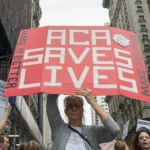 Mother Jones – The ACA Affordability Crisis Congress Won’t Fix Pennsylvania bike shop owner John Ronca has been buying health insurance through the Affordable Care Act marketplace for over a decade. Last year, with enhanced ACA tax credits enacted under the Biden administration, the premiums for his gold plan—the second-highest tier, which includes lower deductibles and often more flexibility in seeing specialists—tripled. Ronca decided to go for a bronze plan with a higher deductible to make sure he, his wife, and his young daughter were still insured. Now he’s putting off surgery for carpal tunnel syndrome because he can’t afford to pay
 NC residents to go hungry, counties to pay more for SNAP under federal changes Massive changes to the food benefits program called SNAP have forced more people who already struggle to maintain stable lives to report work hours if they need federal support to eat. In North Carolina, SNAP enrollment declined by about 2% between Dec. 1, when the new work requirements took effect, and March. Former foster youth, some people who are homeless and some military veterans must show they are working, volunteering or attending training programs for at least 80 hours a month to receive food benefits under the
 “$187 billion in cuts don’t produce healthier diets. They produce emptier grocery carts, impossible math at the checkout line and parents who skip meals so their kids can eat.”
 Trump says millions are ‘lifted’ off SNAP. A Charlotte nonprofit says hunger hasn’t gone away in NC Boxes and tractor trailers loaded with donated food move quickly through volunteers’ hands inside a Charlotte warehouse where frozen meat, fresh produce, and cartons of eggs are distributed when they’re available. This is where families come when groceries run out—sooner than later. So when President Donald Trump said during his State of the Union address that his administration had “lifted 2.4 million Americans—a record—off of food stamps” in one year, the comment landed differently here. “I would maybe push back on the word lifted,” said
 Due to the Trump administration’s changes to the Supplemental Nutrition Assistance Program, thousands of Mainers like McBlais are seeing disruptions in their benefits, according to Alex Carter, senior policy advocate at Maine Equal Justice, a nonprofit civil legal aid and economic justice organization.
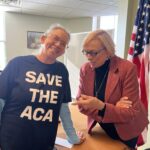 Phipps is one of the many Mainers who are seeing their health care costs skyrocket following the expiration of the enhanced premium tax credits, which had helped subsidize the cost of marketplace health insurance for millions of Americans, including approximately 60,000 in the Pine Tree State.
 Following Republicans terminating Affordable Care Act subsidies and President Trump’s One Big Beautiful Bill Act which limits state funding for Medicaid and tightened restrictions to enrollee eligibility, experts say Pennsylvanians are caught up in a national health care crisis – marked by an unsustainable increase in insurance costs, a rising rate of uninsured citizens, and expanding medical debt. And local residents agree.